Your Cart
Total: $0.00



 September 30 2025
 Heavy equipment should roll, not fight back. If wheels fail, people get hurt and projects slow down. High capacity casters solve that by pairing strong frames with smart wheel choices. You will learn the main caster types, how to match load capacity to the job, and which materials deliver long service in tough work.
High capacity casters are industrial casters built to carry far more weight than standard wheels. They mount under carts, racks, and machines in warehouses and plants. You will see both plate casters that bolt on and stem casters that post into a socket.
Common wheel materials include stainless steel for strength, phenolic resin for heat and impact resistance, rubber for shock absorption, and polyurethane for smooth, quiet rolling. Material choice affects load capacity and life span, so match it to your floor and use case.
Casters come in two main designs. Swivel casters rotate a full circle for easy steering. Rigid casters track in a straight line for control on long runs. Many models add caster brakes that lock the wheel, the swivel, or both. Some heavy models include reinforced bearings for thousands of pounds. Kingpinless casters remove the center pin to reduce failure in shock and side load conditions.
Pick wheel design and material on purpose. The right choice improves mobility, increases life, and protects your floor.
High capacity casters come in several forms, each built for heavy-duty jobs and different equipment needs. Picking the right type will boost performance, safety, and ease of movement, crucial for industrial casters handling max weight loads.
Swivel Casters
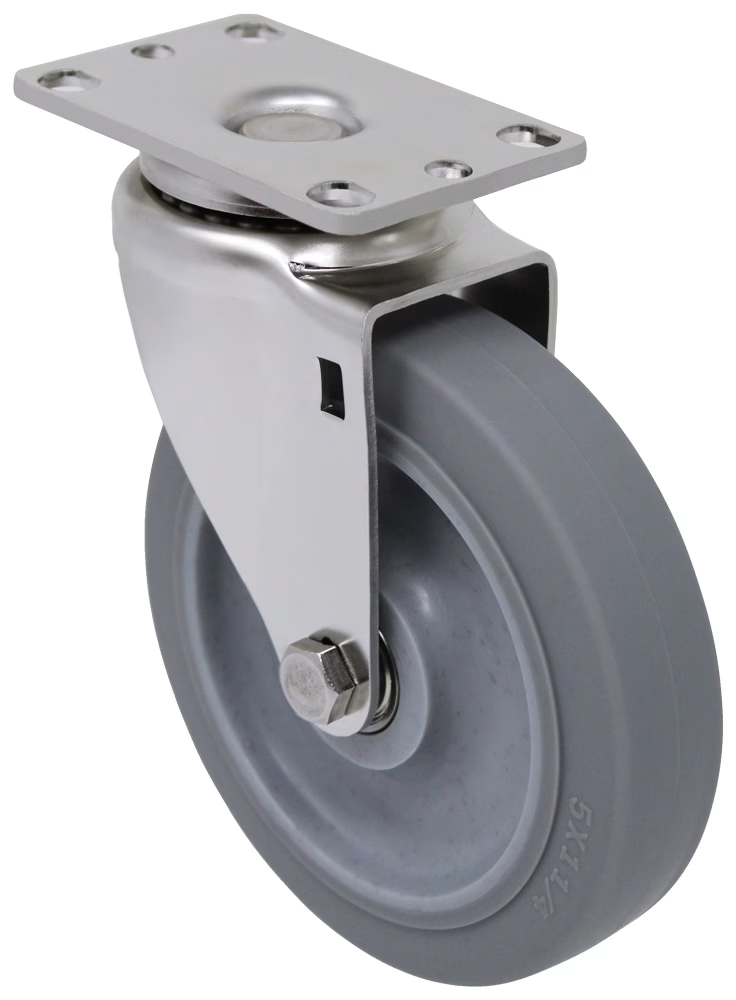
Swivel casters turn in any direction, which helps in tight aisles and busy lines. Choose wheel material to fit your surface. Polyurethane and rubber roll quietly and resist floor damage. Phenolic handles heat and heavy impacts.
Engineers like the control and low push force under high load capacity. Buyers match plate or stem mounts to the cart frame. Many swivel models include a locking mechanism for hold-at-load tasks. You can size them for light tool carts or heavy equipment. Kingpinless swivel options improve life where shock loads are common.
See how rigid casters compare next; they offer different strengths worth considering for straight-line movement needs.
Rigid Casters
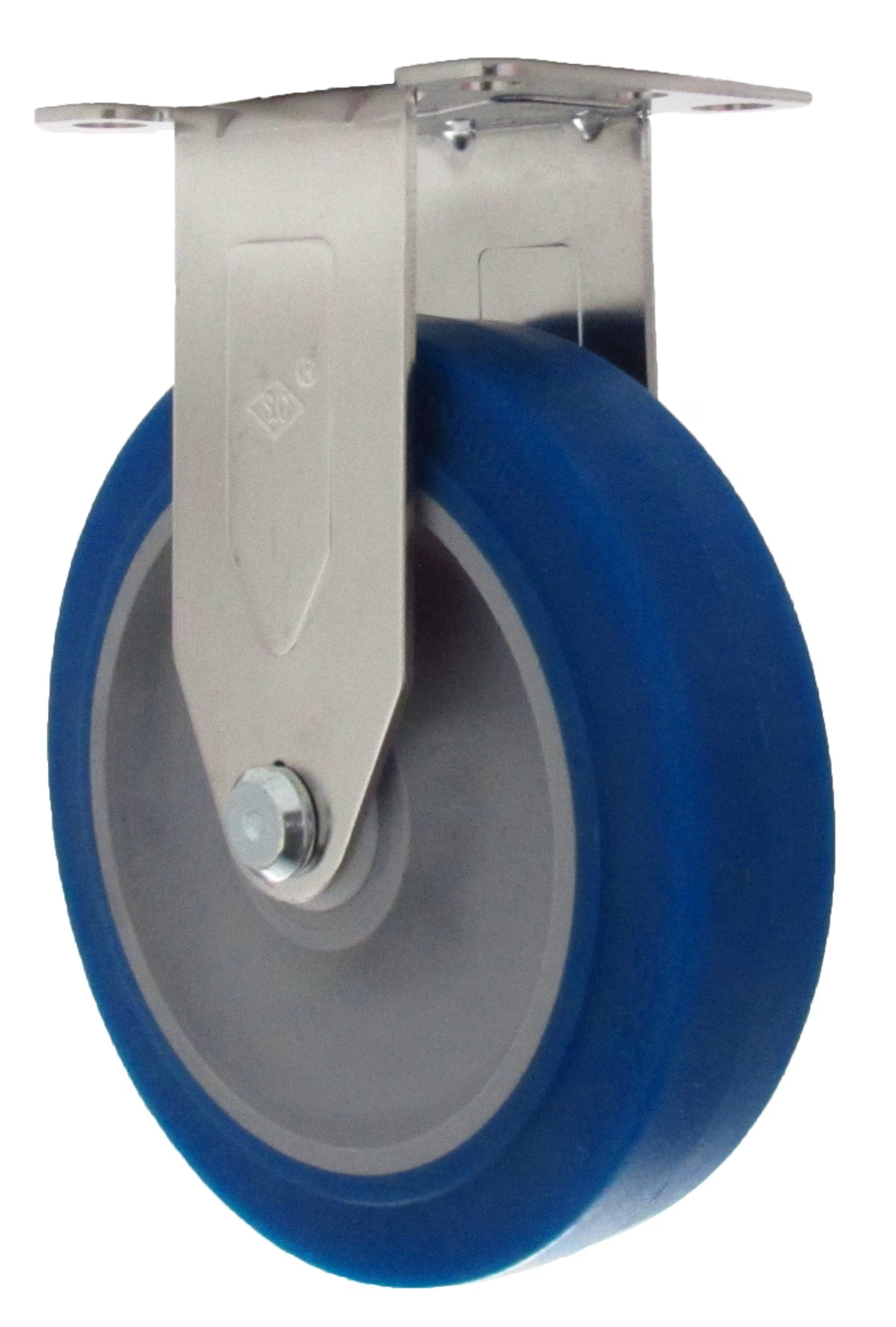
Rigid casters keep gear moving straight, with no side turning. That simple frame adds strength for heavy-duty use and repeat routes. Since 1977, Caster City has supplied rigid casters for maximum loadbearing tasks.
Choices include phenolic, rubber, and polyurethane wheels. Engineers often pair two rigids with two swivels to guide long runs while keeping turns easy. Our site lets you filter by size, wheel type, and capacity fast.
Rigid casters provide stable, fixed-path transport for large machines.
Dual-Wheel Casters
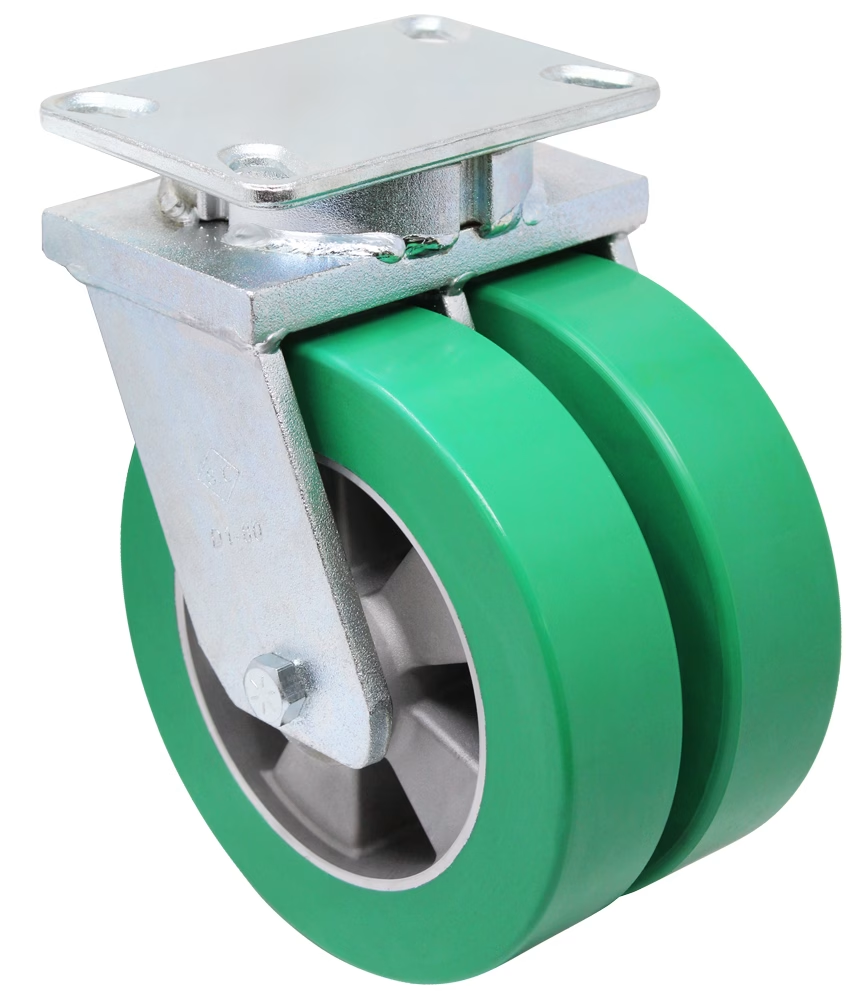
Dual-wheel casters carry maximum load capacity by splitting weight across two wheels. Wider stance means better weight distribution and lower floor stress. The setup also reduces rolling resistance at the same diameter.
Select phenolic, polyurethane, or rubber based on floor and duty cycle. Dual-wheel designs improve tracking with large loads. They deliver better mobility for larger loads in tight turns. Caster City offers dual options built for long service in hard use.
Pneumatic and No-Flat Casters
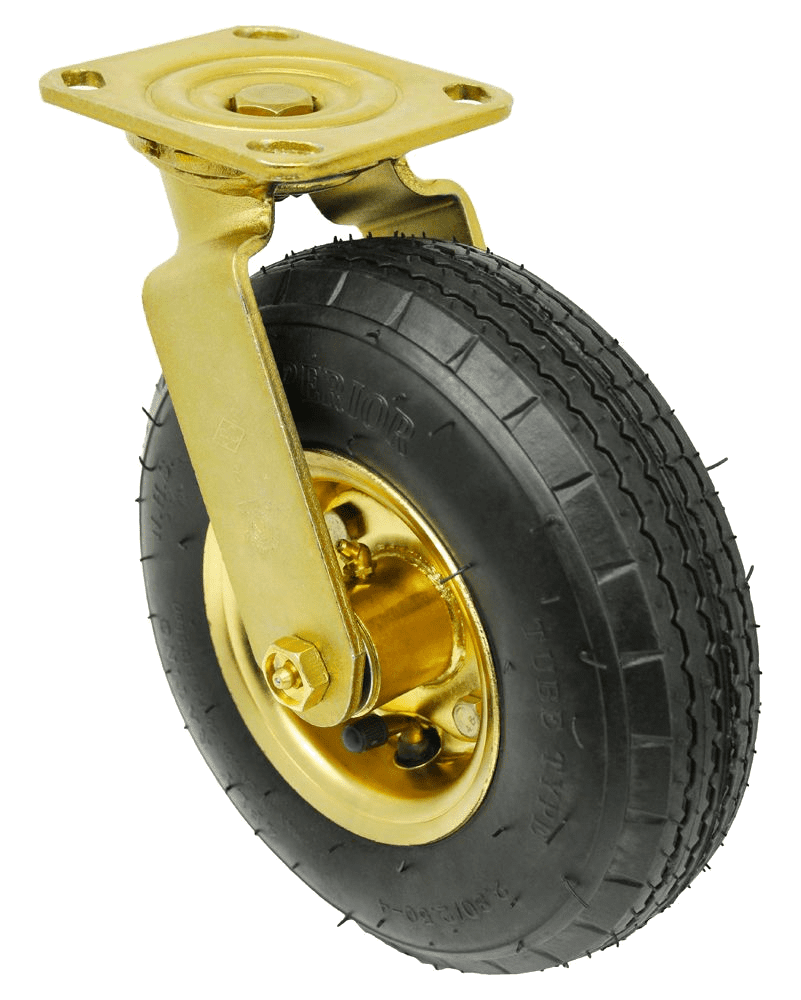
Pneumatic wheels are air filled and absorb shock. They roll over cracks, cords, and debris with less bounce. Use them for mixed terrain or outdoor runs where smooth travel protects the cargo and the frame.
No-flat casters look similar, but use solid cores to avoid punctures. These wheels keep rolling when nails or chips are on the floor. Both options add traction where surfaces change fast. That steadies load capacity from shift to shift.
Choose industrial casters that give strong support and use proven designs. The right pick keeps heavy loads stable and moving on schedule. Use this quick checklist before you buy.
Load Bearing Capacity
Load bearing capacity is the rated weight a caster can hold. Use the total weight of the cart, the load, and any tools. Divide by the number of casters, then add a safety margin. Uneven floors shift weight to one or two casters, so extra margin prevents failure.
Larger wheels support more load and reduce rolling resistance. Even weight distribution across all casters keeps frames square and bearings healthy. Swivel functions help with turns, but the rating must still meet the job.
Durability and Material Strength
Wheel material sets the base for durability. Steel wheels carry very high loads and survive impacts but can mark floors. Polyurethane blends high capacity with floor protection and quiet rolling. Phenolic resists heat and oils and works well under shock.
Build quality matters too. Thick forks, hardened axles, and quality welds extend life at full load capacity. Match material to floor and duty cycle. Engineers and buyers should align the selection with the job, then check size and tread next.
Wheel Size and Tread Type
Wheel size affects load capacity and push effort. Larger diameters roll easier over gaps and debris. Very small wheels can stall or damage floors under heavy load.
Tread picks the balance of grip, noise, and wear. Thick rubber protects floors and runs quiet, but may wear faster at extreme loads. Polyurethane gives smooth rolling and strong life in harsh conditions. Match softer treads to clean indoor floors. Use harder treads for rough or outdoor routes. The correct wheel size and tread type keep gear moving with less strain.
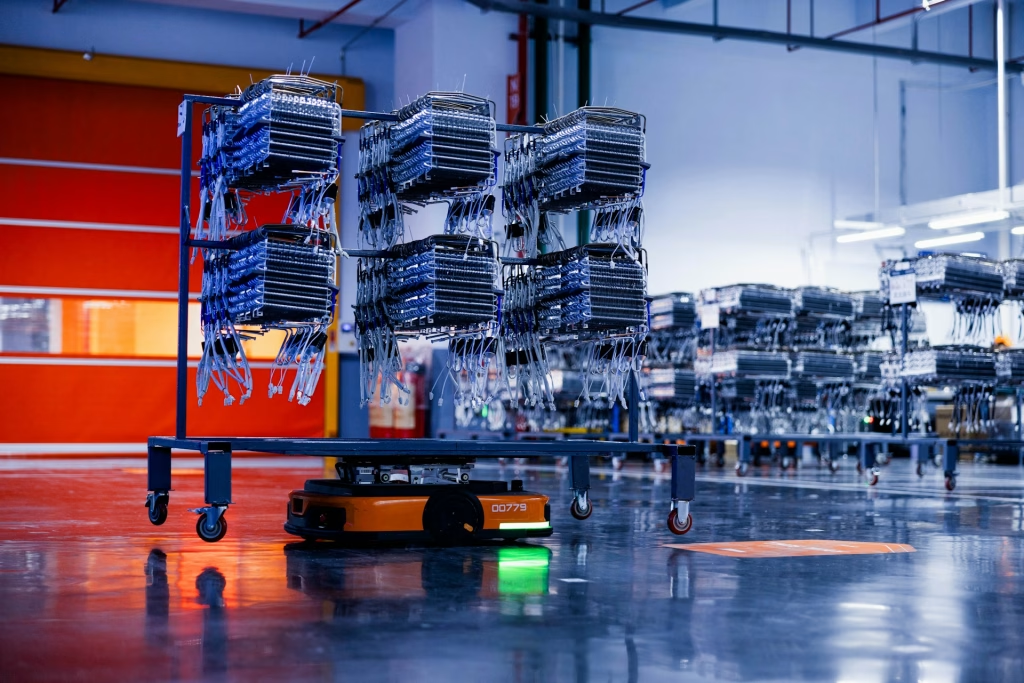
High capacity casters raise load limits and improve daily flow. The right match of caster type and wheel material speeds safe transport across your site.
Enhanced Load Security
Stable wheels help keep loads steady during stops and turns. Better weight distribution lowers tip risk and protects parts. Safety features like brakes, toe guards, and wheel chocks limit unwanted movement on docks and ramps.
Tough frames prevent failure under high stress. Durable casters reduce bounce and sway that can harm goods or people. Safer moves lead to fewer incidents in warehouses and plants with frequent material handling.
Increased Efficiency in Moving Heavy Loads
With the right industrial casters, teams move more with less effort. Swivel units cut turn time in tight lanes. Rigid units track straight on long runs. That mix reduces route time and labor.
Rubber and polyurethane wheels lower floor friction and noise. Less resistance means fewer push or pull injuries. Good caster systems handle higher weight capacities, helping crews stay on pace through the full shift.
Better ergonomics show up in fewer hard pushes and awkward pulls. Strong, well built casters roll with less force, so carts glide instead of fight. People stay comfortable longer and finish tasks with less fatigue.
High capacity casters also smooth out bumps on rough floors. That protects both cargo and wrists. Sudden stops and jolts drop, which lowers injury risk. OSHA has linked fit-for-task ergonomics with fewer lost workdays. Smarter wheel design, right wheel size, and correct tread all support this gain.
Follow company safety rules and equipment manuals. Ask a qualified engineer or supplier for help if the use case involves unusual loads, high heat, chemicals, or impact shock.
The right high capacity casters make heavy moves safe and smooth. Match load capacity, wheel material, and size to your floor and route. Select swivel casters or rigid casters to fit how the cart must handle. Consider dual-wheel and kingpinless options for shock and very high loads.
Quality industrial casters last longer and protect floors in tough service. Caster City can help you choose, with support at 800-501-3808. Your team can handle max weight work with confidence and less strain. For more insights on improving workplace efficiency and employee well-being with ergonomic solutions, visit our page on Ergonomic Casters.